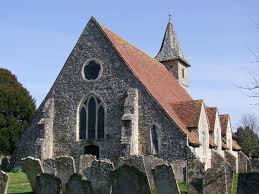
Local history of the Church of St Thomas A Becket in Warblington, Emsworth.
This is the church I walk past in my morning walks. And I have discovered that this year (2020) marks the 820th anniversary of the Church’s namesake’s death. So I decided to write a little piece about interesting facts about this little church.
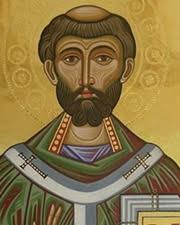
Thomas Becket was born in 1119 in London to a wealthy merchant family and was a clerk to Theobald, Archbishop of Canterbury. As a clerk, he went on many diplomatic missions to Rome.
King Henry II of England saw this talented young man and became fast friends with him, making him chancellor in 1155. Thomas Becket enjoyed his luxurious lifestyle in the opulent court of Henry II. When Theobald died in 1161, Henry II decided to give his trusted friend the vacant position of Archbishop of Canterbury, expecting that Thomas Becket would continue to be loyal to him in his new powerful position.
However, Thomas Becket took his religious vows seriously and dropped this grand lifestyle to become a devote cleric. This became clear in 1162. The King wanted to reform the legal system by demanding that clerics who committed crimes to be tried under the King’s law and not by the Church’s own courts. Thomas Becket refused to let the Church lose influence and power and blocked the reform. Eventually ending in 1164. Becket was found guilty of perjury, stripped of his possessions and exiled to France.
In 1169 Henry II allowed Becket to return to England. Then, in 1170 Henry II held a huge ceremony to crown his eldest son Henry to placate his son’s want for power and ensure the succession after his death. Instead of the following tradition, Henry II had the ceremony preceded over by Roger de Pont L’Évêque the Archbishop of York infuriating Thomas Becket.
Becket received permission from the Pope to excommunicate the bishops involved in the coronation, who were coincidentally the same bishops who support Henry II during his exile, and the barons who profited from Becket’s fall from grace. All this turmoil led to the now infamous line spoken by Henry II in a fit of anger, ‘Who will rid me of this turbulent priest.’
So on the 29th of December 1170, four knights overhearing the King’s fit of rage decided to do just that. They entered Canterbury Cathedral and found Becket heading to vespers and when he refused to leave with the knights. The knights collected their weapons that were left outside the church and re-entered, injuring a number of monks to reach their target. Becket tried to back away but he was cornered and slaughtered.
Thomas Becket was made a saint in 1173.
The area of Warblington was settled during the iron age. When the Romans swept through the countryside, they build a villa near the North East side of the present church. According to the Church Guide, some Roman bricks and tiles can still be seen from the outside, in the round arches in the Saxon tower.
When the Romans withdrew from England in 500 AD, Saxons created a settlement where the church now stands. Then during the missions to bring Christianity to the countryside by the Anglo-Saxon King Edgar Churches including Warblington were built in the years 959 – 975 AD.
As the population of Emsworth grew the Church also grew with it, with renovations occurring in 1290 and 1340 including the building of a new nave and a chancel. Although when the Black Death struck the country in 1340 building work stopped.
The west door was added between 15th or 16th century along with the three bells in the tower.
Medieval documents refer to the Church as ‘Our Lady Warblington’ but in 1796 the name was officially changed to St Thomas Becket.
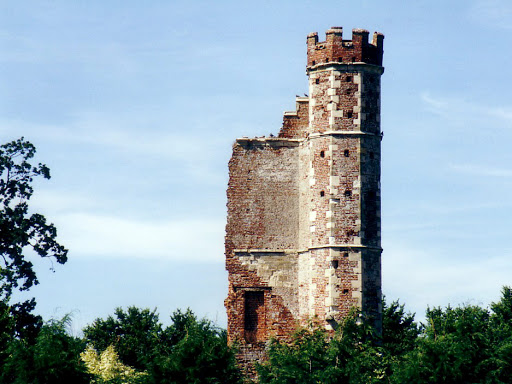
On my route towards the Church, you can see a ruined tower that used to be Warblington Castle. Although the tower doesn’t look like much it was once a moated and fortified luxurious manor house. It was built by and home to Margaret de la Pole Countess of Salisbury the wife of Sir Richard de la Pole. She was the last of the royal line of Plantagenets. Daughter of George Duke of Clarence and Isabel Neville, niece to Richard III and Edward IV of England and cousin to the Princes in the Tower.
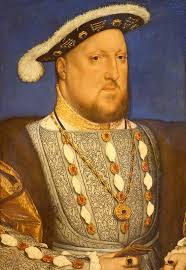
The land was given to her while she was in favour with Henry VIII after he executed the Earl of Warwick. Although Henry VIII visited her in her home in Warblington during the reformation, he sent the Earl of Southampton to find evidence of treason in 1538. The Earl was unable to find any evidence of treason but she was still arrested and executed at the Tower of London in 1541. Margaret de la Pole was sixty-seven.
The castle was later demolished in 1643 by the Parliamentarians leaving only the tower that can be seen today. But remember, the tower stands on private land and allows no public access, so you must admire this piece of history from afar.
Although you cannot visit the tower you can wander around the Church. Take a look at the fine stained glass windows showing a variety of saints. Make sure to wander around the Churchyard to see the ancient yew trees, which have been standing there for hundreds of years, pre-dating the Church itself.
Yes, although the Church is small it has been visited by some famous historical Kings and Queens.
1526 – Henry VIII visits the Church with Margaret de la Pole.
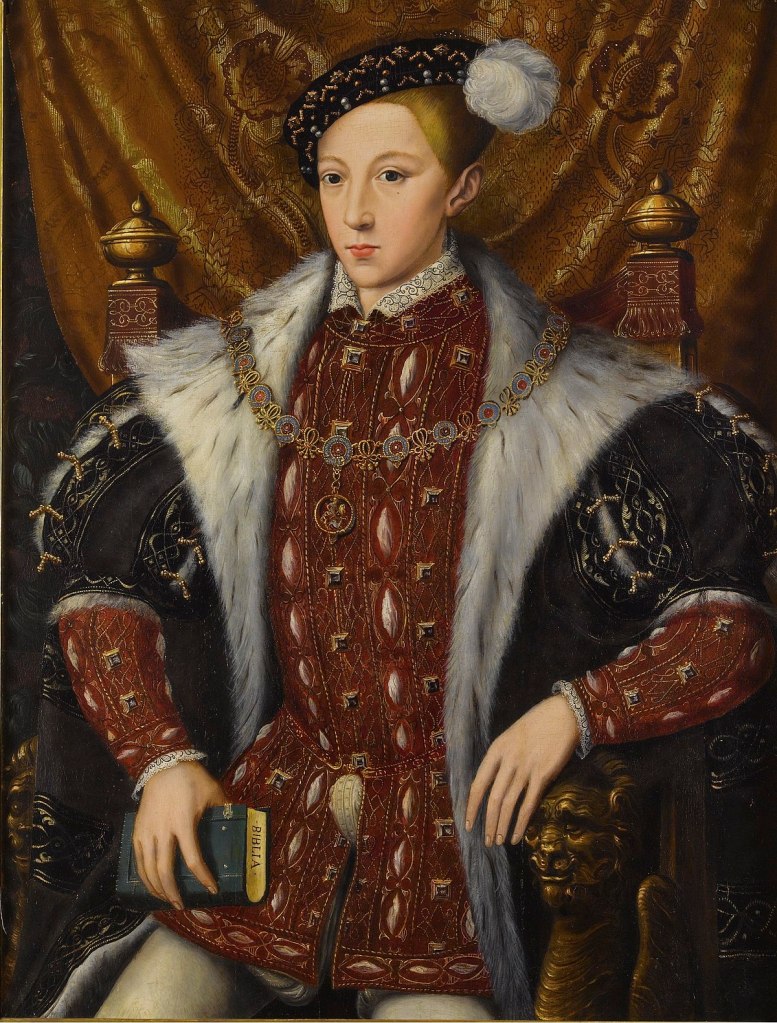
1552 – Henry VIII’s young son Edward VI visit the historic site.
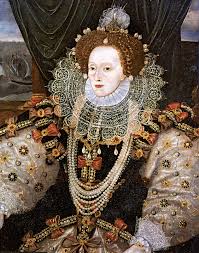
1586 – Queen Elizabeth I came to visit the Church and the lands around it.
I would really recommend a visit to this beautiful Church.
St Thomas A Becket Warbling Church Guide by Rev Andrew Sheard Rector October 2019
https://www.historic-uk.com/HistoryUK/HistoryofEngland/King-Henry-II-of-England/
https://www.britannica.com/biography/Henry-II-king-of-England
https://www.historic-uk.com/HistoryUK/HistoryofEngland/Thomas-Becket/
https://www.britannica.com/biography/Saint-Thomas-Becket
http://www.ecastles.co.uk/warblington.html
https://www.emsworthonline.co.uk/St%20Thomas%20a%20Becket.html

 The History Alchemist